
Night Driving Vision Problems in Wollongbar and the Northern Rivers
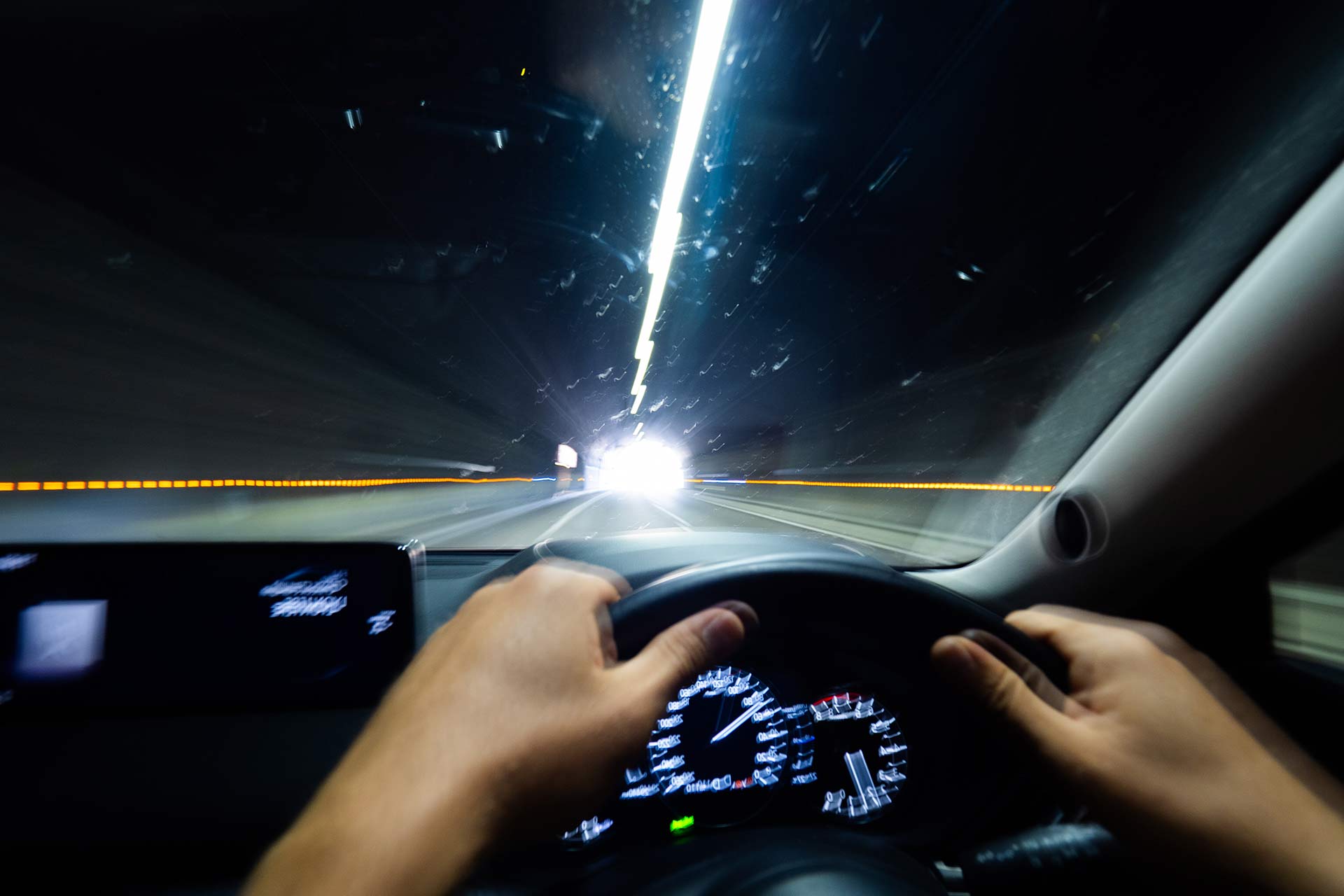
Driving at night can feel more challenging than driving during the day. Many people notice that headlights appear brighter, road signs are harder to read, and glare from oncoming vehicles can make it difficult to see clearly. These challenges are often linked to night driving vision difficulties.
Across the Northern Rivers region, including Wollongbar, Alstonville, Byron Bay, Ballina, Lennox Head, Lismore, Evans Head, Casino and Kyogle, drivers frequently report problems with glare, halos or reduced visibility after dark.
Understanding the causes of night driving vision problems can help drivers improve safety and maintain confidence on the road.
Why Night Driving Feels More Difficult
Driving at night requires the eyes to perform differently than during the day. In low light conditions, the pupils widen to allow more light to enter the eye. While this helps improve visibility, it can also reduce sharpness and increase sensitivity to glare.
Street lighting, headlights and reflective surfaces can create visual distractions that make it harder to focus clearly.
Many drivers travelling between towns such as Wollongbar and Ballina, or along coastal roads near Byron Bay and Lennox Head, notice these visual challenges more when road lighting is limited.
These conditions can make night driving vision more demanding for the visual system.
Glare From Headlights
One of the most common night-time complaints is glare from headlights.
Modern headlights are often brighter than older designs. While this improves visibility for the driver using them, it can create discomfort for oncoming traffic.
Glare occurs when intense light scatters within the eye. This scattering reduces contrast and makes it more difficult to see objects clearly.
Drivers across Alstonville, Wollongbar and Lismore often notice that glare becomes more distracting when roads are darker or when multiple vehicles approach at once.
Glare can significantly affect night driving vision, especially on unfamiliar roads.
Halos Around Lights
Some drivers report seeing halos or starburst patterns around lights when driving at night.
Halos are circular rings of light that appear around headlights, streetlights or illuminated signs.
These visual effects can occur for several reasons, including:
-
Minor prescription changes
-
Dry eye conditions
-
Changes in the eye’s natural lens
-
Light scattering within the eye
Drivers travelling along roads between Casino, Kyogle and Lismore may notice these halos more clearly in rural areas where there are fewer surrounding lights.
Halos can make night driving vision more uncomfortable and sometimes reduce clarity when looking at road signs.
Reduced Contrast at Night
During daylight hours, the eyes rely heavily on contrast to distinguish objects from their surroundings.
At night, contrast is naturally reduced. Road markings, pedestrians and obstacles may appear less visible.
Drivers in Evans Head, Byron Bay and Lennox Head often rely on coastal roads or highways with varying lighting conditions. Reduced contrast can make it harder to judge distances or detect hazards quickly.
This reduction in contrast is a key reason why night driving vision can feel more difficult than daytime driving.
Age and Night Vision
Night vision tends to change gradually with age. As the eye’s natural lens becomes less flexible and slightly more opaque over time, light may scatter more inside the eye.
This can increase glare sensitivity and make night driving more challenging.
Drivers throughout Wollongbar, Alstonville and Ballina may notice that their tolerance for glare decreases as they get older.
While these changes are natural, regular eye examinations help ensure that vision remains as clear and comfortable as possible.
Environmental Factors That Affect Night Vision
Environmental conditions can also influence night driving vision.
Coastal humidity and wind around Byron Bay and Lennox Head may contribute to dry eyes, which can worsen glare and halos.
Rural roads between Casino, Kyogle and Lismore may have fewer streetlights, making headlights the primary light source.
Rain can also increase reflections from road surfaces and headlights, further reducing contrast and visibility.
These factors combined can make night driving more visually demanding.
Signs Your Night Vision May Need Attention
While some difficulty seeing at night is normal, certain symptoms may indicate that your eyes require further assessment.
You may benefit from a professional eye examination if you experience:
-
Excessive glare from headlights
-
Halos around lights
-
Difficulty reading road signs at night
-
Blurred night-time vision
-
Eye strain when driving after dark
-
Reduced confidence when driving at night
Drivers across Wollongbar, Ballina, Lismore and Byron Bay often seek professional advice when these symptoms begin to affect road safety.
Tips for Improving Night Driving Vision
Several practical habits can help improve night driving vision and increase safety.
Helpful strategies include:
-
Keeping windshields clean to reduce glare
-
Ensuring headlights are properly aligned
-
Avoiding direct focus on oncoming headlights
-
Reducing speed on poorly lit roads
-
Taking breaks during long night drives
Drivers travelling between Wollongbar, Alstonville and Evans Head may find that reducing glare and maintaining clean windscreens significantly improves visibility.
The Importance of Regular Eye Examinations
Routine eye examinations help identify visual changes that may affect night driving vision.
A comprehensive eye check can assess visual clarity, glare sensitivity and overall eye health.
At Lamas & Brown Optometrists, patients from Wollongbar, Alstonville, Byron Bay, Ballina, Lennox Head, Lismore, Evans Head, Casino and Kyogle often seek advice on improving visual comfort while driving.
Regular assessments ensure that prescription changes or underlying eye conditions are identified early.
Safer Driving Starts With Clear Vision
Driving safely at night depends on clear and comfortable vision. When glare, halos or reduced contrast begin affecting visibility, professional advice can help restore confidence on the road.
Understanding the factors that influence night driving vision allows drivers to take steps to improve safety and comfort.
Across Wollongbar and the wider Northern Rivers region, prioritising eye health helps ensure that drivers can continue travelling confidently after dark.
Clear vision supports safer roads, better reaction times and a more comfortable driving experience for everyone.
Contact Lamas & Brown Optometrists and discover a world of difference!